Wardogs Season 2 Update Breaks Down Every Economy, Vehicle and Weapon Change You Need Before You Deploy
Need articles like this for your video? They help promote it on YouTube and Google — order them in the Telegram bot @sat_sit_bot. The bot writes and publishes the articles itself (with your YouTube video embedded) on popular topical websites (no ads). Your first 50 articles are free.
· based on the channel GhostGaming
Key takeaways
- Wardogs Season 2 (update 0.2) went live in mid-October 2026 and overhauls the logistics and FOB economy.
- A supply pallet delivered at a 10-streak now pays $1,250 base plus a $2,500 bonus, with streak numbers counted outside the combat zone.
- The .50 cal damage was nerfed by 16%, letting tier 2 armor survive a shot from the end-game sniper rifle.
- The minigun Little Bird now costs around $14,000 fully loaded with three flares, making losses far more punishing.
- A new anti-air vehicle, the Gepard, joins the roster and raises the pressure on helicopter pilots.
- The SKS bipod price moved from $800 to $810, a token change next to the economy rework.
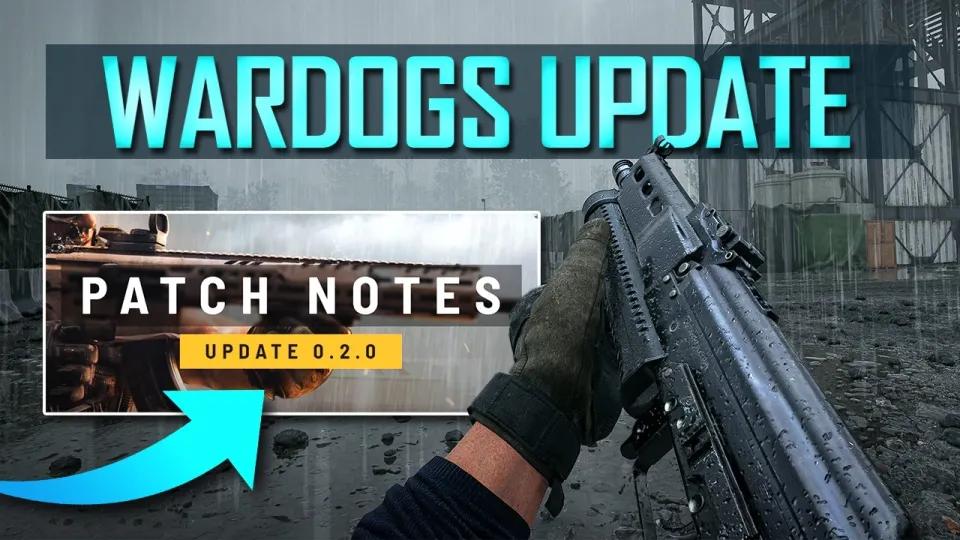
The Wardogs Season 2 update, shipped as version 0.2 in mid-October 2026, is a full rework of the game's economy: logistics deliveries, FOB construction, vehicle prices and weapon damage all change at once, and infantry combat comes out ahead while drivers, builders and pilots take the hit. If you want to watch the full breakdown live, GhostGaming's Twitch channel is where the patch notes get walked through frame by frame.
The short version: money is harder to earn outside of direct fighting, supplies pay better per pallet but demand far more trips, and several end-game tools got more expensive or weaker. Below is everything that matters, sorted by the systems you actually touch in a match.
What the Wardogs Season 2 update changes in the logistics economy
The headline change is that logistics now pays more per delivery but requires significantly more work to reach the same total. Supply pallet payouts are tied to delivery streaks, and the numbers that circulated early were measured outside the combat zone; the corrected values in the official patch notes are the ones to plan around.
- A pallet delivered on a 10-streak pays $1,250 base plus a $2,500 bonus.
- Streak scaling rewards repeated, uninterrupted runs rather than one large haul.
- The URAL truck earns less per trip than before, so a single supply run no longer funds a full loadout.
- Because payouts are spread across more trips, the total time investment for a driver roughly triples or quadruples compared with Season 1.
The practical consequence is that the casual "see a dry FOB, grab a truck, save the day" play is no longer profitable. Drivers who want real money have to commit to long, repetitive routes, and that is the core complaint coming out of the community: the job pays better on paper but costs an hour and a half of driving with no combat.
FOB building and base defense after the nerfs
FOB construction took a broad set of cuts, and the effect compounds with the logistics changes. Builders now get less value per supply crate, and every part of the FOB pipeline was touched: supply conversion, structure cost and the returns on spending a whole match hammering walls.
A concrete example from the community: fifteen logistics trucks delivering close to 100 pallets to a single tower, with only two players building, still ended with the FOB overrun because the walls could not go up fast enough. That is the new reality. Supplies were never the bottleneck for a coordinated team; builder time is.
If you main builder, the playstyle still works, but it now depends on squad coordination rather than solo effort. Bring at least two or three people who will actually swing hammers, and treat supply stockpiles as a buffer for rebuilding rather than a guarantee that a FOB survives.
Vehicle prices, helicopters and the new anti-air threat
Air play got squeezed from two directions: higher costs and stronger counters. The minigun Little Bird runs about $14,000 fully loaded with three flares, and a single mistake wipes out that investment. With kill streaks harder to sustain and flares expensive to burn, the risk-reward math on attack helicopters is worse than it was in Season 1.
- The minigun Little Bird is more expensive to buy and to equip.
- Landing a helicopter should now be rewarded with experience, since the money side was nerfed.
- The Gepard, a new anti-air vehicle, joins the roster and will make low-altitude gun runs far riskier, especially early in the season before pilots learn its sightlines.
- The Browning turret also punishes helicopters that linger.
- The URAL still handles like it is driving on ice, so logistics drivers get no handling relief.
Pilots who survive the early weeks will do it by flying higher, using terrain masking and treating flares as a resource to be rationed, not spammed.
Weapon and optic changes that affect infantry fights
The infantry sandbox got the most favorable treatment of any role. The .50 cal damage was reduced by 16%, which means tier 2 armor can now survive a shot from the end-game sniper rifle. Sniper hit zones were also clarified: the "sniper zones" refer to the head and neck hitboxes, not the whole upper body.
Optics remain a sore point. Several minimalistic low-zoom sights, including simple uncluttered red dots, are still locked behind late progression, which frustrates players who just want a clean reticle without grinding. Variable zoom scopes also remain awkward to use because of unresolved keybind issues, and a $10 price bump on the SKS bipod (from $800 to $810) did nothing to address either complaint. If you are levelling a new character, plan your unlock path around the optics you actually want rather than assuming the cheap ones come first.
Typical player concerns about the Wardogs 0.2 patch
Three doubts dominate discussion of the update, and each has a clear answer.
"Nobody will run logistics anymore." That is a real risk. If driving pays less per hour than fighting, FOBs will go dry late in matches. The counter is squad-level logistics: a dedicated driver in a coordinated group still generates steady income and keeps spawns alive, while random players will simply stop bothering.
"Is the driver level still worth grinding?" Levelling the driver role is arguably just as slow as before, since the payout changes do not accelerate progression enough to offset the extra trips. Treat driver XP as a long-term investment, not a fast unlock path.
"Did the minigun Little Bird deserve a nerf?" Few players ever saw one in the field, so the price increase looks harsh on paper. The offsetting factor is that anti-air pressure was adjusted and the Gepard arrives as a new threat, so the helicopter may survive slightly longer in the early season even at a higher price.
How to make money in Wardogs Season 2
Infantry combat is now the most reliable income stream in the game. Kills, assists and objective play generate money without the overhead of vehicle purchases, fuel, flares or ammunition resupply, and a single good life can out-earn an hour of driving.
If you still want to run logistics, do it deliberately: chain deliveries to build streaks, avoid breaking the run, and coordinate with builders so your pallets convert into structures instead of sitting in a stockpile. For pilots, fly cheaper airframes early, bank money before buying the minigun Little Bird, and land to bank experience whenever the sortie is over. Expect tier 3 and tier 4 armor, tanks and heavy vehicles to appear within four to five hours of the season going live, so plan your first sessions around that curve rather than against it.
All the links from the breakdown
- Full patch notes on Steam: https://store.steampowered.com/news/app/1867240/view/670630562731396445
- Twitch: http://www.twitch.tv/ghostgaminggg
- Twitter: https://twitter.com/GhostGamingG
- Discord: https://discord.gg/MzkAVCy
- TikTok: https://www.tiktok.com/@ghostgaming_battlefield
Final verdict on the Wardogs Season 2 update
The 0.2 patch pushes Wardogs toward infantry-centric play: fighting pays, driving and building cost more time for less money, and flying is a bigger gamble than ever. Logistics and FOBs are not dead, but they now require organized squads instead of solo volunteers, and the community is already asking the developers for a follow-up balance pass. GhostGaming's full video breakdown walks through each change with the corrected patch-note numbers, so watch it before your next session and follow the channel on Twitch for live coverage as the season develops.
Source: WARDOGS New Season 2 Update ► EVERYTHING You Need To Know · Markdown version
Questions & answers
How much does a supply pallet pay in Wardogs Season 2?
A pallet delivered on a 10-streak pays $1,250 base plus a $2,500 bonus. The streak scaling means repeated, uninterrupted deliveries earn more than a single large haul, and the numbers apply to deliveries counted outside the combat zone.
Why are players unhappy with the logistics changes?
Because driving now takes three to four times the work for similar or lower returns, and the job already involved long stretches with no combat. Many players worry that FOBs will go dry late in matches once casual drivers stop bothering to resupply them.
Did the .50 cal get nerfed in the Wardogs 0.2 update?
Yes, .50 cal damage was reduced by 16%. The practical effect is that tier 2 armor can now survive a shot from the end-game sniper rifle, which shifts the sniper matchup and makes body shots less reliable.
Is the minigun Little Bird still worth buying in Season 2?
It is a harder sell: a fully loaded minigun Little Bird with three flares costs around $14,000, and a single mistake wipes that investment. The arrival of the Gepard anti-air vehicle and turret pressure make low-altitude gun runs riskier, so bank money first and fly cheaper airframes early.